Sleuthing

This week I exhaled and sent an email to my doctor, the opening line reading, “Today was so hard.”

It is unlike me to show that much vulnerability upfront, but I was exhausted. And, if I am being totally honest, the past few months have been so hard.

Please trust me that this is more than the typical “diabetes rollercoaster” term used to describe the highs and the lows inherent to living with diabetes. Heck, it has been the diabetes “Tower of Terror.” Blood sugars were thrown into the spiraling abyss of lows in early 2016, only to ricochet back up into the stratosphere, seemingly unscathed by my defensive insulin jousts this spring.

For most of my life, I have known this truth: There is a “great unknown” affecting my diabetes. As a young child, I would be fine one minute, building couch cushion forts with my siblings, and the next minute I would be covered head-to-toe in a rash.

I recall being about eight years old and lifting my shirt to see large, circular patterns of hives all over my abdomen. My limited reference point at that time was the worst case scenario discussed in Catholic grammar school. This was clearly modern day leprosy in a suburb north of Boston! I tipped my head back and screamed at the top of my lungs.

Mom reassured me that although hives are unpleasant, I was not dying. This outbreak was no match for an Aveeno oatmeal bath. Do they still sell that stuff?! Magic!

I developed blistering rashes on my hands and fingers, an itchy-then-painful contact reaction. Contact with what? We still do not know. Anything and everything could be the trigger. As an adult, this occurs less frequently, but still happens from time to time.

There are other vague symptoms much like those described in this articulate New Yorker piece: low-grade fevers, allergies, stuffy nose, scratchy throat- that general sense of feeling run down but not sure exactly what is wrong. All of these factors send my blood sugar (and ketones) soaring, due to the obvious biological response to inflammation/bodily threats.

While you may be reading this and thinking, “So what?,” I assure you that I have spent years asking the same. In acute instances, this stuff seems trivial. But long-term, the sum of the symptoms is messing with my overall health. I have worked so hard to rewrite my diabetes management with multiple daily injections, to push the limits of my anxiety and to experience more freedom as a result, and to play by the diabetes “rules”.  Therefore, I will not allow this undefined immuno-gobbledygook to strip me of my health and dignity.

Because no doctor has time in a half hour appointment slot to put all of these puzzle pieces together, the puzzle has laid strewn across the table, unfinished, for decades now. Perhaps it is seeing the CGM graphs with more yellow (“high”) than I would like to publicly admit, perhaps it is the struggle to get through adult responsibilities each day when feeling like a fatigued zombie, or perhaps now is simply the right time.

Whatever it is, I am ready to connect the dots, with the help of a qualified healthcare team. We will become the Sleuths of 2016, our magnifying glasses polished to uncover clues along the way. Inspector Gadget and Harriet the Spy will have nothing on Boston physicians- I guarantee it!

In a few weeks, I will attend my first appointment with a renowned immunologist at a Boston hospital. The receptionist forewarned me that an allergy scratch test is imminent, and friends in the autoimmune world recounted lots of blood draws. Although my symptoms may not meet a diagnosis standard, they still exist. While my hope is that the doctor’s investigatory work rule outs any major problem, I also fear not having a real answer. Actually, I mostly fear not having a course of action.

Best case scenario: It’s not modern day leprosy, I’ll live, and this is how we’re going to treat this immuno-gobbledygook so that it no longer wreaks havoc on my blood sugar. The End. Happily ever after. Puzzle fully pieced together into a picturesque Thomas Kinkade image.

Then I will send my doctor an email, the opening line reading: “Today was so good!”

Harpoon

Reblogging from betesontap.com. Check us out!

betesontap's avatarBetes On Tap

Betes On Tap will meet at Harpoon Brewery and Beer Hall in Boston, MA, on Saturday, March 26, 2016 at 3:00 pm.  Per Harpoon, visitors must be 21 or older.  Friends and family of legal drinking age are welcome to join us.

Further information, including directions and parking, can be found here at Harpoon’s website.  According to Harpoon’s FAQs, gluten-free ciders are available for those interested.

We look forward to seeing you soon!

#BetesOnTap

View original post

Healthcare Loop-de-loop Update

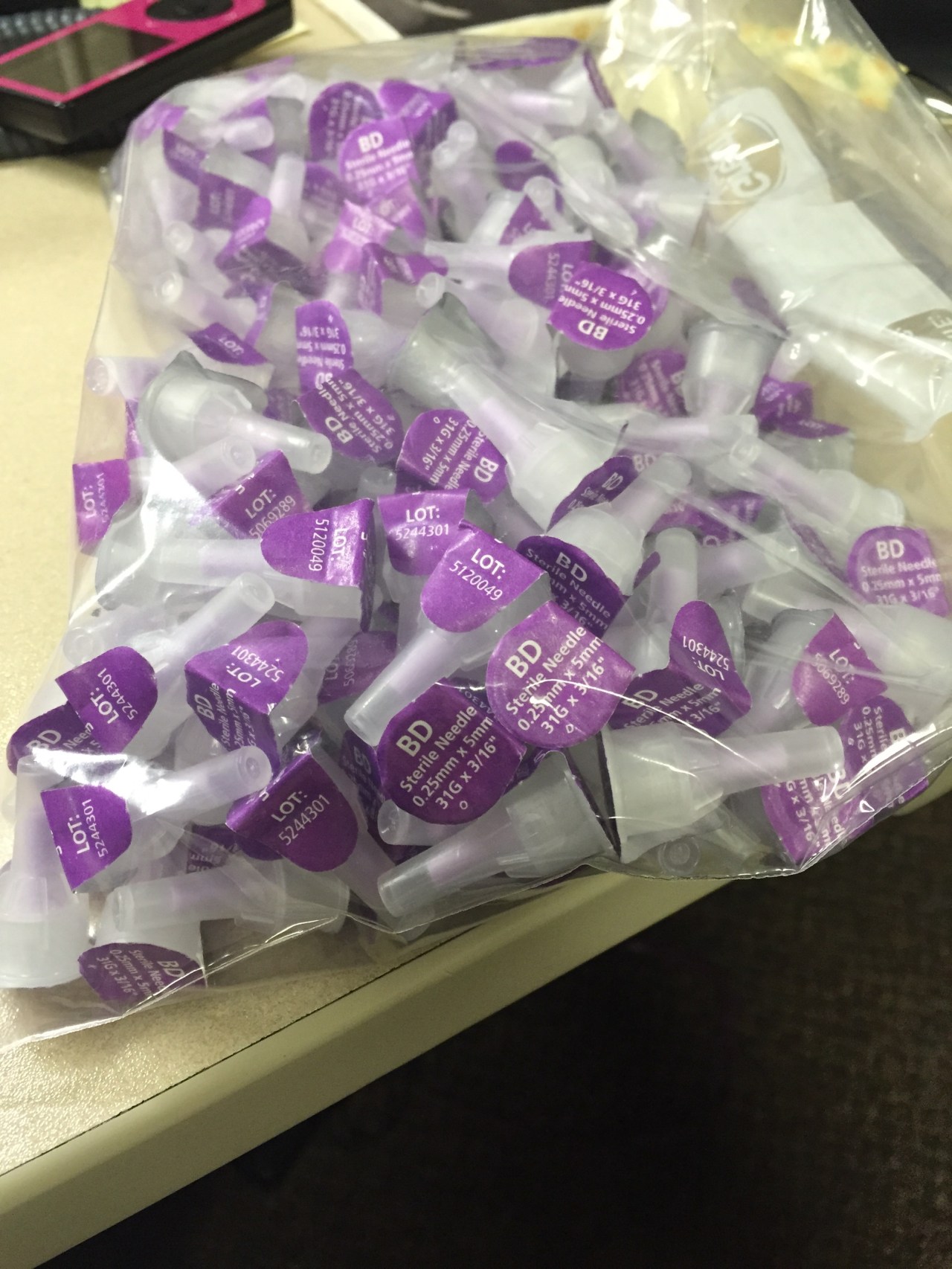
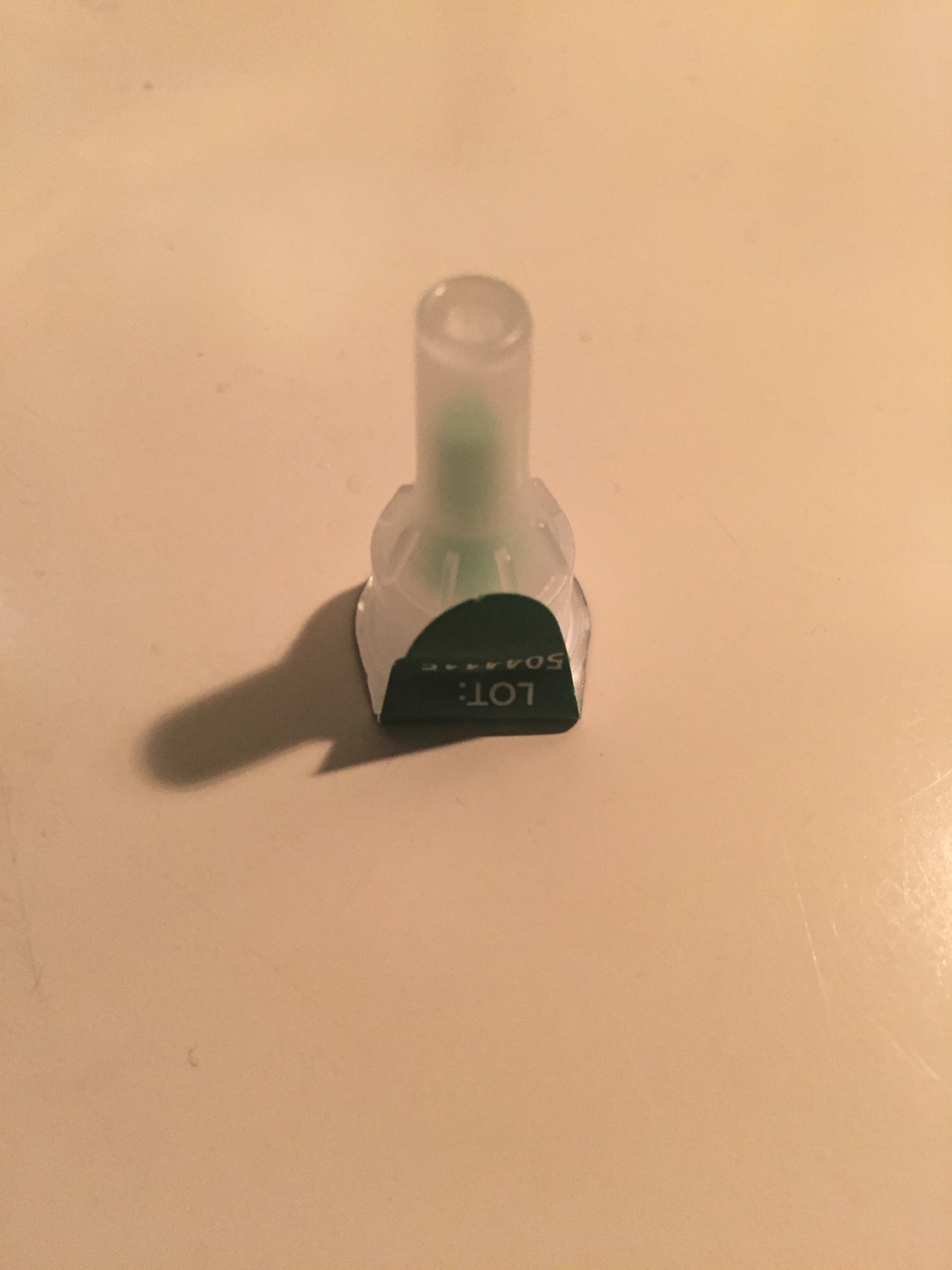
Good eggs still exist despite the healthcare loop-de-loop (see here).  One of them is my friend, who recently switched insulin types and donated his no-longer-needed BD “Mini” pen tips to yours truly.

It’s not every day that a young professional is seen skipping through the office, clutching a Ziploc baggie full of unused needles to her chest as if she had won the lottery, but I was totally okay with being “that girl” today.

To my generous friend:

You know who you are.  The little things matter in a big way.  Your kind act makes my life with diabetes literally and figuratively less painful with this donation.  Thank you…

Healthcare loop-de-loop

This blog post serves as a simplified example of the complex headache that is the “healthcare loop-de-loop.”  Ironically, I pledged to write about this topic last year as an offshoot of a blog about diabetes needles.  Today, I again blog about diabetes needles, and how many hoops we must jump through to obtain minimal elements of surviving diabetes.

Many have it more difficult than me, their basic health needs unmet.  Frankly, I have somewhat decent healthcare coverage through my employer, and I have also studied healthcare at the graduate level and understand its nuances.  My point being: Despite all of this, healthcare remains an untamed beast, from the lower administrative levels all the way up.  If I have it “good” and experience this, what about all of those slipping through the cracks merely due to circumstance?

The healthcare loop-de-loop reemerged last week when I went to refill an insulin pen tip prescription, which was promptly denied by my insurer.  (I use two different types of insulin pen tips- the 4 mm BD tips for Lantus and the 8 mm tips for Humalog.  My doctor and I found that the smaller Humalog volume was not being absorbed by my body with the 4 mm tips, so we begrudgingly opted for the larger 8 mm’s.  Your diabetes may vary.)

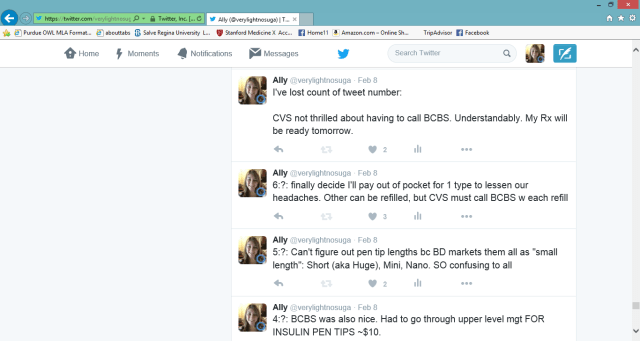
Allow me to further explain, via Twitter rant:

pen tips twitter1

pen tips twitter2

^ Because of the confusion about the needle length sizes and what had previously been refilled/what needed to be refilled currently, insurance flagged the new prescription as something to deny.  In reality, it was simply a new prescription for a different needle length, granted by my doctor to alleviate some pain from multiple daily injections.

pen tips twitter3

^ I cannot make lengthy phone calls at my job because my job duties would be compromised.  And I need to work for reasons of insurance and paying healthcare bills.  Many of us are in the same boat here.

^^ “This probably should’ve been a blog.”  …Yup, now it is.

pen tips twitter4

^ As maddening as this phone call marathon was, Spare a Rose puts it all in perspective.  Although our healthcare situation is far from ideal in the United States, we are blessed to have what coverage we do have.


At first I felt dramatic for live-tweeting my everyday diabetes grievances.  Later, I was pleasantly surprised by how many people validated my feelings, unfortunately having experienced similar irritations of their own.

The resounding theme was: This isn’t right.  Whatsoever.  Amen.

Healthcare is a complicated, multidimensional goliath.  I just so happen to love learning about it.  But when healthcare bites back at me, it is a reminder that I am still a little coffee cup in a big sea of healthcare coffee beans.  Socioeconomic status, insurance coverage, and corporate power are just a few of those beans playing in the healthcare game.  The stakes are high: Quality of health, and, therefore, quality of life, are on the table.

I recognize that my tiny roar may not jostle healthcare mountains.  Currently, there is too much bureaucracy and red tape to allow many of my suggestions to move forward.  But in order to do my part rather than sit back and complain behind the shield of my laptop screen, I must recommend some changes.  If they are heard outside of the confines of my own mind, then it is worth expressing them.

I will start small, with the insulin pen tip example:

“Hi, my name is Ally.  I have been type one diabetic for 25 years.  One day I am confident that there will be a diabetes cure.  We always keep that faith alive.

However, that cure is realistically still far away.  In the meantime, I will require insulin every day in order to survive.  This insulin should be affordable and accessible.  Anything less is morally reprehensible.  The same logic goes for any other life-sustaining medication for any other serious illness.  We can and we must do better.

If a type 1 diabetic is not using an insulin pump, he or she requires insulin syringes or insulin pens (glorified insulin syringes for ease of user experience).  Insulin will be delivered into the body through a needle at the end of the syringe or insulin pen.

Because I require insulin to live, and because I use injections rather than an insulin pump to manage my blood sugar, my skin must be pierced by needles every day until I am cured.  Insurance could make this more bearable by not causing obviously-necessary prescription refills to be a royal pain in the @$$.

The Endo clinic could edit their coding system, so that pen tips can be ordered by millimeters, rather than gauge.  No one likes to say, “Can I refill this 0.99784567325 X 54321 infinity pen tip needle, please?”  Just say 4 mm in your system.  Thumbs up emoji.

Kindhearted pharmacist who empathized with my worries over the insurance-endocrinology clinic ping pong battle deserves a coffee on my dime.  So does insurance representative who patiently worked through the mix-up in order to get my supplies.

Understandably, BD does not want to market their insulin pen tips as “8 mm LARGE, will leave giant bruises; 5 mm semi-large, still may bruise; or 4 mm, smaller but you’re still jabbing yourself with a needle!!”.  However, calling the pen tips “Short (8 mm), Mini (5 mm), and Nano (4 mm)” all indicate “small” in the minds of patients, providers, insurers, and pharmacists.  You can see the root of the miscommunication.

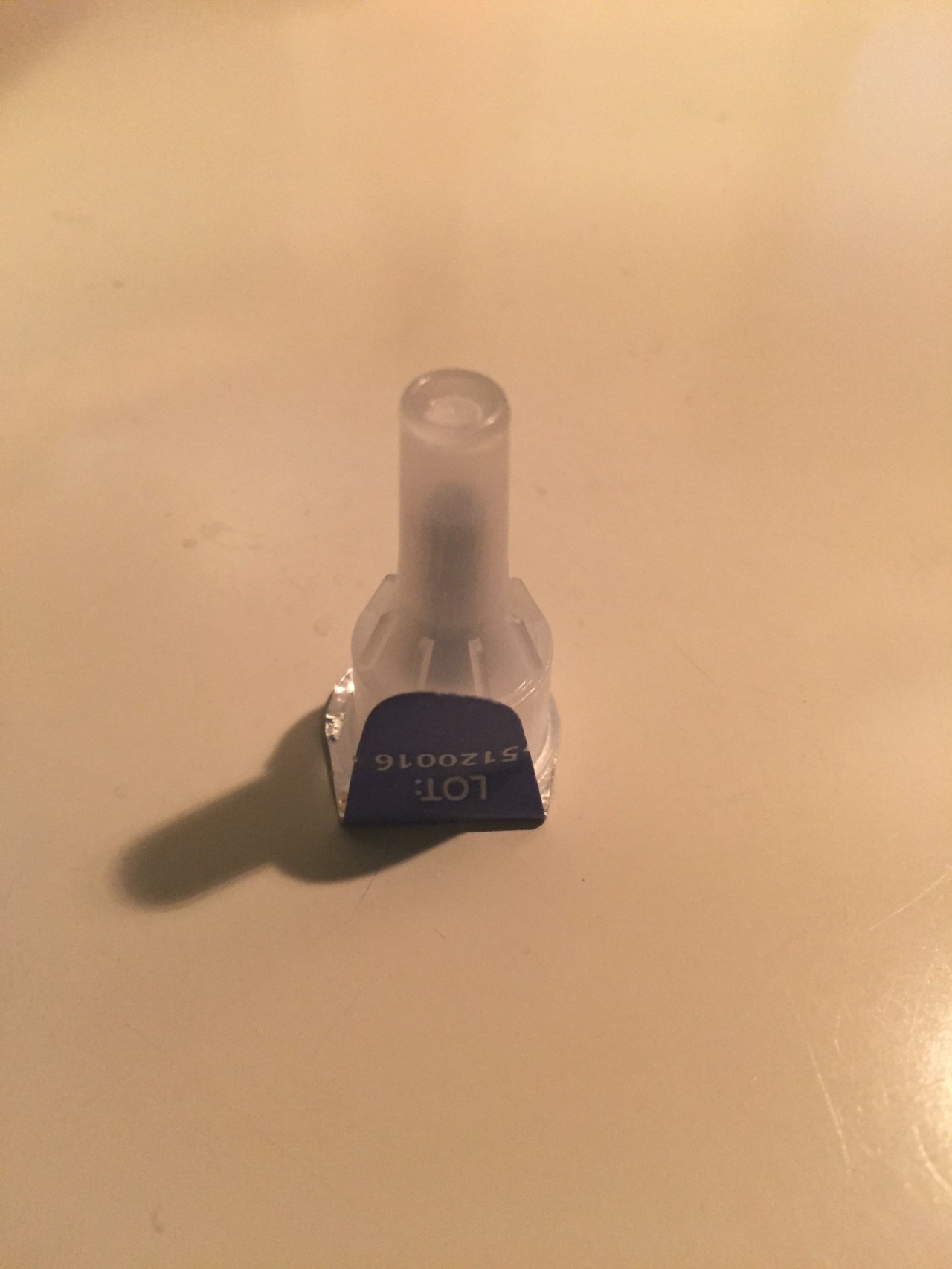
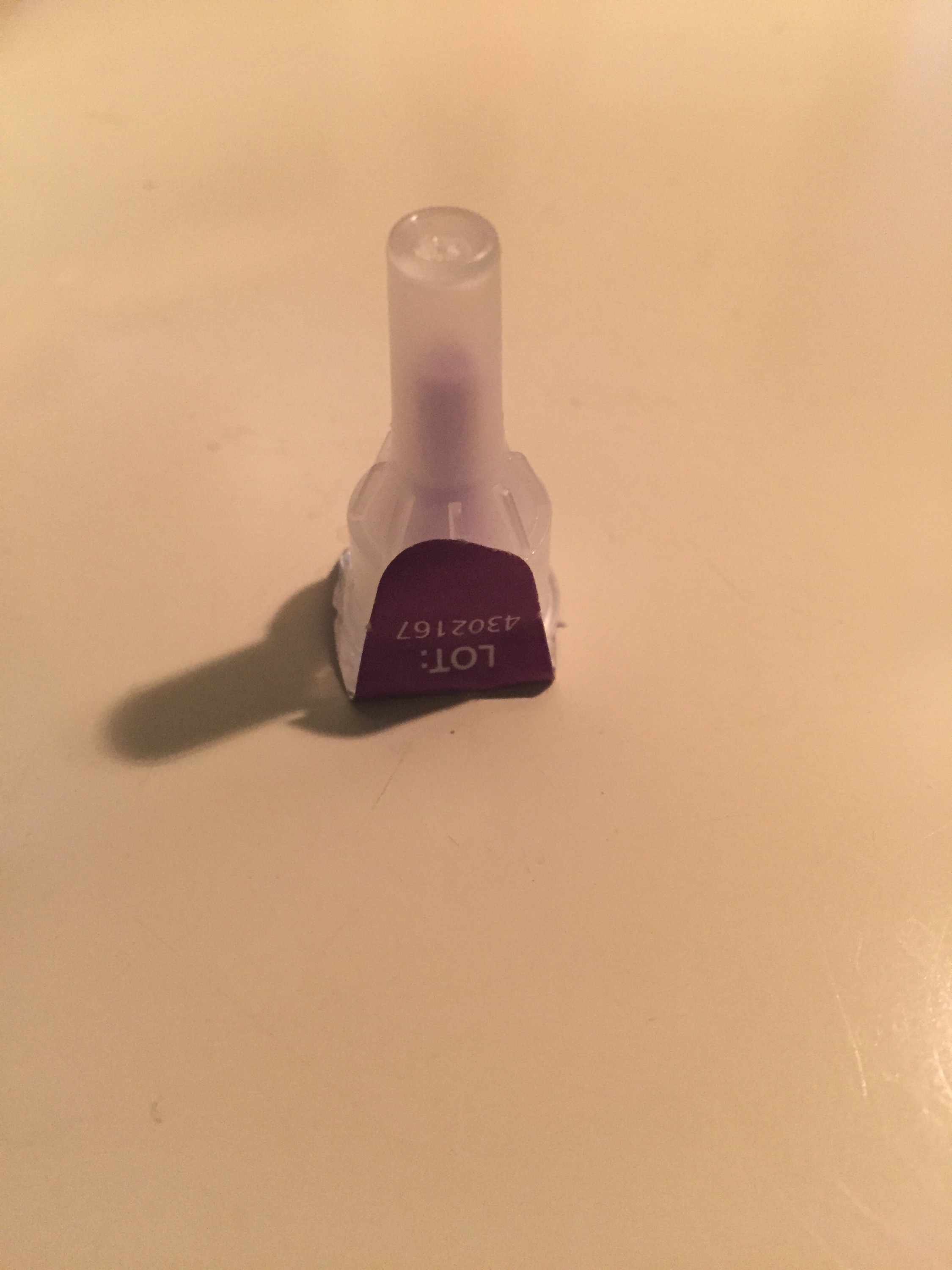
Below is a color-coded chart, created by yours truly, for future reference.  Feel free to disseminate to all parties involved here.  It will lessen monthly Advil bills.

BLUE = 8 mm   “Long needle.  Only intended for use by badasses.”  Lamely called “Short” in real life.


PURPLE = 5 mm  “Medium-length needle.  Sassy.”  Lamely called “Mini” in real life.

GREEN = 4 mm  “Small.  Dainty needle for dainty pain.”  Lamely called “Nano” in real life.

ALLY = happy that you listened

Happy Ally

Thanks for hearing me out.  Until the next prescription refill…

XOXO,

Ally”


Name Game

My diabetes-related Facebook account has been deactivated for awhile now.  It all started with Facebook asking me for government-issued ID to ensure that Ally VeryLight NoSugar was my legal name.

Well, no surprise here: It’s not.

But does that make the name any less meaningful?

After multiple back-and-forth emails explaining myself and my name to Facebook, they bureaucratically decided that my personal account should become a fan page.  Too bad I already had a fan page here, and now my personal account was exiled by Facebook.

When I established my blog and its related Facebook account, I was slowly and painfully succumbing to a lackluster amount of insulin being delivered into my body due to defective insulin pump products.  (All is well now thanks to some creative problem-solving.)

I went online to search for technical answers, and I ended up finding so much more than I ever could have imagined: peer support, courage to return to multiple daily injections and to feel better, a purpose in advocacy.  But when I created Very Light, No Sugar, I had legitimate concerns about employment discrimination due to my health status.  I feared that no current or future employers would want a woman with a defective insulin pump representing their offices.

So, I wrote under my nickname, Ally, and did not think much of it until the Facebook fiasco.  Allison was sidelined to the couch, fighting ketones and trying to solve biomedical infusion set engineering defects on her own.  Ally was the empowered diabetes advocate, enjoying the companionship of a newfound online community and writing for a greater cause.  Although I am both of these entities in one authentic being, at the time I preferred the life Ally was living, the act of using my own suffering to invoke goodness somehow.

My issue with Facebook is the discriminatory nature of its names policy.  I am not the first ePatient advocate, and I imagine I will not be the last, to be singled out by Facebook.  While Facebook has every right to enforce a strict names policy, the problem is that they do not do so universally.  My friend can have an account for his Chihuahua, Scruffy the Dog, yet ePatients advancing charitable causes are somehow pinpointed as “sketchy” by Facebook.  Far from it; ePatients are some of the bravest and most selfless people on earth.

Safety is also an issue on Facebook.  When my friend uprooted her life to escape domestic violence, she wanted to keep in touch with loved ones without her abuser knowing her whereabouts.  Logically, she used a Facebook pseudonym to maintain communication with us from afar.

Additionally of note, I was uncomfortable uploading my government identification material to Facebook’s site for verification.  My personal information was compromised in an HR data breach at my office last year, and those feelings of violation and “what ifs” are still raw today.  I did not feel the need to further justify my name to Facebook, so I chose to take a break from it.

No matter the reason, if Facebook truly cares about community as they claim, these circumstances should be incorporated into their names policy in a supportive, understanding manner.

Although my blog does not make the world go ’round, I do believe that a good name helps a good cause.  Just as I remembered the website sixuntilme.com for its creative brand and background long before I became a blogger myself, my hope was that Very Light, No Sugar would stick in the minds of a few people who needed to hear my story.  If the name allowed me to give back to the diabetes world in my own small way, then it carried a reputation I could be proud of.

Despite all of this, the break from Facebook has mostly been refreshing.  Although I want to keep up with the diabetes community, my Facebook newsfeed had been overwhelmed with scary diabetes stories, quarrels despite all of us being in this fight together, and surely my own “endearing” moments of annoyingness.  Frankly, I needed to detox from triggers contributing to diabetes burnout.

I missed little things like easily messaging my friends to catch up, specific advocacy groups, or discovering links to new, enjoyable blog posts.  And, hey- it’s Facebook.  Like it or not, (almost) everybody’s using it.

Out of principle, I am back under a slightly different ePatient pseudonym.  I believe that ePatients should be given the due respect that others receive.  This is my symbolic way of standing up to a social media behemoth.

My name is Allison.  I also go by my nickname, Ally.  I have type 1 diabetes.  I like coffee.  A lot.

Call me whatever you want (within reason), but I will never stop fighting for a diabetes cure.

What more could Facebook need to know, anyway?


Spare.

Spare.

Dictionary.com defines the verb as “to give or lend, as from a supply, especially without inconvenience or loss.”

At that rate, why wouldn’t we spare roses this February, and perhaps all year long?

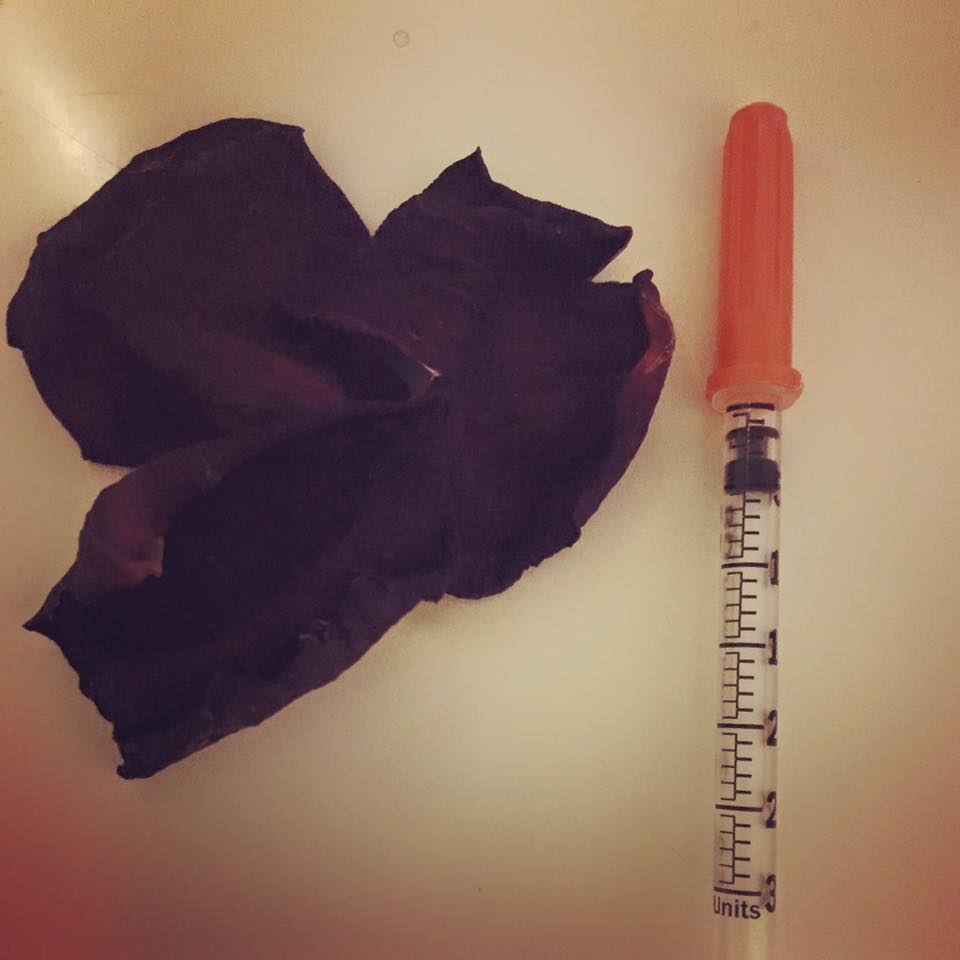
The premise is simple: click here, donate $5- the cost of a rose you may normally give to a loved one on Valentine’s Day (or, set up additional monthly donations if you can!), and save a child by providing life-sustaining insulin through your donation.

If you are reading this blog post from a cell phone or a computer screen, chances are you have $5.00 to spare.  If you do not, that is okay, too; instead, please help to spread the word about #sparearose.

What is $5.00 worth?

-one medium coffee and one donut from your local coffee shop

-half of a movie ticket  (What use is that?!)

-crappy red wine and a headache you don’t need, anyway

-an overpriced bottle of water at a sporting event


*****-And oh, yeah, A LIFE!!!!!!!!


Close your eyes and think of a time when you did not receive a viable amount of insulin for a few hours.  We have all been there: a kinked insulin pump cannula, diabetic ketoacidosis (DKA) during diagnosis or severe illness, or whatever the case may have been.  We have felt the heartburn and nausea of high ketones, the unquenchable thirst, and the longing for comfort that takes too long to get there.

For most of us, those days represent acute instances of distress.  Scary, yes.  Life-threatening, sometimes.  But if we are reading this blog post today, we somehow escaped diabetes’ wrath and are feeling better thanks to the insulin taking up all of the shelf space in our refrigerators.

Without insulin, kids in developing countries know that type of suffering intimately.  Those of us who are more fortunate cannot lay our heads on our pillows at night and be okay with that.  We understand diabetic ketoacidosis.  We have a moral obligation to curtail DKA as best we can before it senselessly takes any more lives.

If my words come off too harsh here- well, it is a risk I am willing to take.  If our moral obligation leaves us momentarily uncomfortable in our realization of its truth, so be it.  These kids are more than uncomfortable as they await insulin that they should have to begin with.  We owe it to them to do the right thing.

If you can, please spare a rose this February.  Through the simple act of sparing, we can dry so many tears.

Thank you

spare a rose 2015


Chocolate and Nightmare Visit Boston

I recently had the honor of accompanying my Stanford Medicine X (#MedX) bestie, Danielle Edges, and her young daughter, Alex, on their visit to Children’s Hospital Boston for a heart catheter procedure. Alex has a congenital heart disease called heterotaxy, additionally complicated by liver and spine issues. Danielle’s honest perspective on her family’s life with CHD can be found on her blog, Life is hard. Wear a Helmet. Adventures in Life. With Danielle’s permission, I am sharing my take on her family’s bravery here.


I joined the Edges at their hotel room because Alex’s heart cath had been postponed a few hours. Danielle and Alex had endured many tiring hours of travel across the country two days earlier. The good news about the delay in the procedure was that I got to hang out with them for a few hours away from the beeping of hospital machines and the drowsiness of anesthesia. The bad news was that Alex could not eat before the heart cath, so adding an extra few hours to that timeline was understandably not ideal.
Alex, Danielle, and Ally selfie

MedX and MedX’er-in-training selfie.


Alex’s lively spirit was contagious despite being hungry, however. Danielle and I are both known to say what we mean as healthcare advocates, which is probably why we click so well. I saw Danielle’s energy and wit in Alex, who is well-versed in medical lingo after many hospital stays in the past. (We totally have a future MedX’er-in-training!)

We tried to distract from the hunger pangs by coloring birds in a coloring book, or playing with Alex’s new stuffed puppy toy that the Fairy MedX Godmother, Ally, brought along for the hospital stay.
Alex- present

“I love my present.” -Alex.  (Complete with Chocolate, the puppy, picture).


“What is that? I want one!” Alex proclaimed, pointing to my Dexcom receiver.

We discussed how we were similar in some ways, as Alex has a medical device connected to her as well- a G-tube to help her get the proper amount of nutrients each day. Her blood sugar can also dip low due to her liver condition, and who doesn’t like a communal grumble about hypoglycemia?!

Soon it was time to head over to the hospital. The air was frigidly cold on our short walk there. This was my first time stepping foot in Children’s despite decades of treatment nearby at the Joslin Diabetes Center and having family and friends who have received lifesaving care at BCH. Simply walking through the main entryway is a moving experience; there are families from all over the world, children with conditions both very visible and very invisible, all there to seek topnotch medical care at the best children’s hospital.

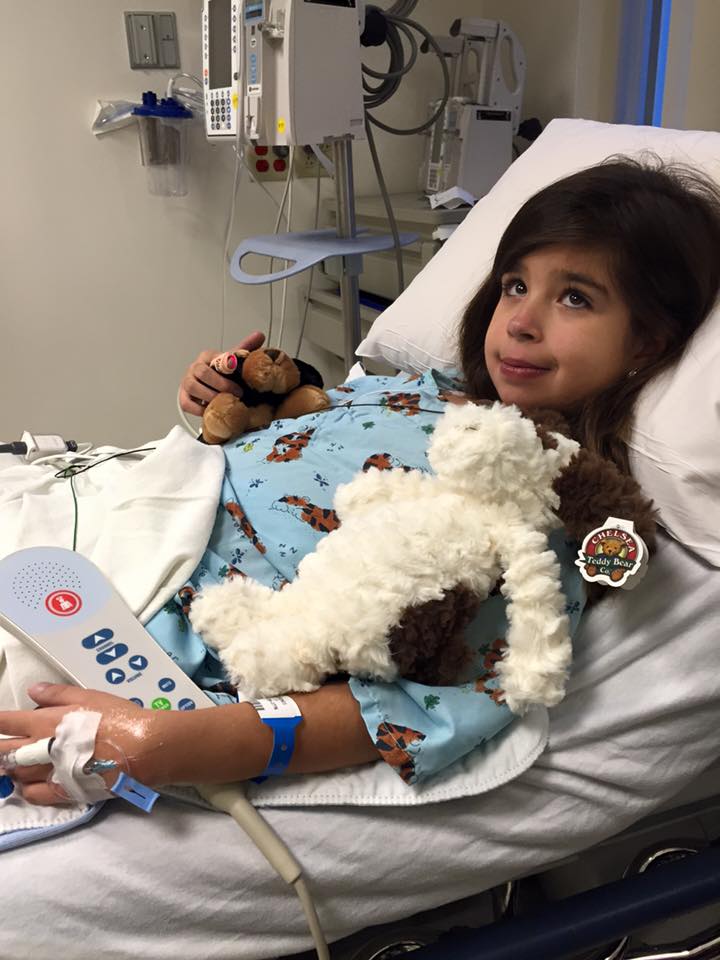
We were taken to a hospital bed for the preparations prior to the heart cath. A kind nurse gently informed Alex that she would need IV fluids. The nurse spoke directly with Alex, not at her. Alex was treated like the informed member of the healthcare team that she is, even at only eight years old.

Another nurse came in and the IV insertion was done before we even blinked. Kids tell it like it is, especially complex-medical kids whose perspectives are better than most. So, Alex looked right at the nurse and said “Ow,” and then immediately went back to watching TV stoically while Danielle and I chatted.

The nurses were so impressed with her courage that they rewarded Alex with a dark brown and black beanie baby puppy to complement Chocolate, the larger brown and white puppy.

“What is the new puppy’s name?” the nurse asked.

Alex had just been poked with a large needle. She was ravenous and about to undergo a difficult medical procedure.

“Nightmare,” she aptly replied.

From the mouths of babes, as they say. I will never forget the humor and irony in that moment for as long as I live.
Alex in hospital1

Rocking out with Chocolate and Nightmare.


Shortly thereafter, a nurse anesthetist administered medication to prep Alex for the heart cath, and it was time for her to be wheeled into the surgical room. As Alex dozed off, Danielle whispered that she loved her, and Alex whispered back, “I love you, too.”

In these moments, Danielle had to be strong not only for herself, but for her medically-complex child, as well as her daughter and husband back home. She is truly SuperMom, as evidenced by the poise she and Alex exhibited throughout the long day at the heart center.

I, on the other hand, do not always handle hospitals so well. We had not eaten much over the course of the busy day, and suddenly everything hit me all at once. The doctors came to the waiting room to speak to Danielle while Alex was in recovery. Danielle can explain the details far better than I can; please see her blog post here. In layman’s terms, there was good news peppered with difficult news.

We then proceeded back to Alex’s room. A nurse was with us as Alex slowly roused from the heavy sedation. This same nurse called Danielle with updates every hour while Alex’s heart cath went on, proving once again why Children’s Hospital gets every detail right. As I watched this little girl arising from such a long fight, my head suddenly started to spin. The room was hot, and my Dexcom indicated a fairly fast blood sugar drop.

I alerted Danielle and the nurse, who brought me some water and this adorable tiny carton of orange juice just in case I needed it.
OJ

OJ for the diabetes win.


Half of a granola bar consumed later, and I had recovered just as quickly as the dizzy spell had appeared.

“Diabetes is so… constant,” Danielle remarked afterwards.

“Yes, but so is all of this,” I replied, glancing around at the machines in Alex’s room.

Our respective diseases can act up in the exact moments when we wish they would behave; but the understanding and support that we have gained through our friendships at MedX and through ePatient communities have made those moments less scary. That much was articulated by those two sentences exchanged between myself and Danielle, an unspoken understanding and respect bridging the gap between health conditions.

As the evening progressed and Alex was moved to a new room for overnight observation, it was time for me to head back to Rhode Island. Danielle’s night was just beginning, though. There would be more IVs, chest xrays, and medications to be delivered, and this Mom would be by her daughter’s side through it all. We hugged and parted ways, knowing that we would see each other soon.


*****

To simply state that the Edges family is inspiring does not do justice to their story. I can best describe their strength by detailing a tiny moment in the grand scheme of the heart catheter day.

While we waited for Alex to be called in for the procedure, Danielle and I conversed in our signature animated dialogue, talking about hopes and dreams for healthcare, how much we missed our MedX friends and could not wait to be reunited, and more. Alex was quiet and focused on the cartoons playing in her room. She had an IV in her hand and was about to receive sedation medication before having an investigatory procedure performed- and, later, some intervention procedures- in the hopes of improving her quality of life. This was big stuff for a little kid.

I heard soft noises in the background as Danielle and I spoke, and I at first thought that Alex was crying or whimpering in nervousness before being taken away from Mommy. But then I listened more closely.

Alex was not crying. She was humming.

This child was about to have dye injected into her heart, to have coils installed to curtail pulmonary AVMs, to lie on a stiff operating table that would anger her scoliosis, to be in pain.

Yet despite it all, she was still happy.

She was humming.


To help get the #EdgesToBoston this summer, please see here.

HealthiVibe Blog

This week I was featured in HealthiVibe’s “The Patient Lens” blog series, where I discussed the challenges of diabetes stigma and misunderstanding, as well as the need for advocacy.  To read the blog post, please see here.

HealthiVibe does great work for patients, and for the healthcare community at large, by representing the human voice in medicine with an emphasis on the importance of clinical trials.

I am of the opinion that participants in clinical trials are of the very bravest and selfless amongst us.  Those of us currently taking medication owe our improved quality of life to clinical trial participants who stepped up and said “We’re willing to do this” when these medications were being tested.

Thank you to HealthiVibe, and to clinical trial participants, for all that you do.