Whole Milk With The Disclaimers

This will not be my most popular blog post ever.


You may not agree with me.  That is okay.  In fact, it is a good thing.  If we all nodded our heads along to the beat of the same drum in this world, well, we would be a boring orchestra.  Renza wrote a great piece on this notion recently, which can be found here.

One of the largest issues we face in the United States today is the “battle of the egos.”  We see it play out on our Facebook newsfeeds each morning:

“I’m voting for so-and-so and I must be right because it’s my opinion and I said so and I can scream louder than you!!!”

Yes, we have a right to say such things.  But do we really need to completely write off the other side of the opinion in the process?  If we do, quite frankly, we are only hurting ourselves.  Very rarely in life are issues so cut and dry, 100% right or wrong.  When politics falls into the gray zone, which it so often does, our greatest hope for the best world possible is to hear and consider all opinions, to put aside our personal biases and to think about what truly matters.  We are way too quick to judge.

“He looked like a thug.  He must have done something wrong.  He would have shot first.”

We do not always pause to think of the psychosocial reasons why he is in the wrong place at the wrong time, or why we are in the right place at the right time- safe from injury or premature death, judging from afar.

Or, we roll our eyes dismissively, choosing to believe a social media rant from someone who has never seen combat, or public service in a rough neighborhood:

“The cop had more than a split-second to make a life-or-death decision; his life, or the alleged suspect’s?!  He doesn’t go home at night sick to his stomach about taking another’s life, whether or not the the law supports his defense…”

We do not always concede that maybe, just maybe, in this particular case, we are speaking of a human being who perhaps acted in fear, rather than hatred.

At one point or another, we are all guilty of not placing ourselves in the other’s shoes.  It is easier for us to say that one side is 110% wrong, and we are 110% right.  If only morals and ethics were so mathematically easy…

We do not always think about how unique individuals are, how we cannot check them off like bubbles on the SAT, fitting a prescribed correct answer to each situation.  Maybe there is none.  Let’s sit in the scariness of that idea, together.  Let’s be more loving and considerate than we have been as a society in recent weeks.


Admittedly, I have been disappointed in the diabetes advocacy world for similar reasons of us not seeing all sides of the equation lately.  There are days where the #doc rallies and we do something that is so obviously good: honoring Kycie Terry this month, for example.

Regularly, we laugh together, cry together, share our lives with diabetes together.  This is what makes us tick, what gives a distinct purpose to this disease in which we are, despite it all, somehow able to rise above.

My concerns, though, echo Tom Goffe’s wonderful post regarding the impending FDA decision on potentially dosing insulin based on Dexcom continuous glucose monitors (CGMs).

***(Disclaimer: I am not a medical professional; do NOT consider any of this blog post to be medical advice intended for treatment purposes.)

My personal opinion on diabetes management is more of a Libertarian view, if we want to talk politics.  I am perfectly okay with individual patient-centricity in disease management.  Diabetes falls on a spectrum of manifestations; what works for me, may not work for you, and vice versa.  If you want to dose according to Dexcom and you are comfortable doing so, by all means, that is your prerogative, and I truly wish you all the success in the world.

Although I no longer use an insulin pump due to a freaky product defect hullabaloo that I encountered, I am happy for all of those who still have access and great results from insulin pump technology.  That same mindset goes for those who experience phenomenal Dexcom CGM accuracy and ease of dosing insulin accordingly.

Every great innovation in society has come by those who are brave enough to take risks.  Think no further than the Open APS and #wearenotwaiting folks in our own community.  Their courage, creativity, and selflessness are beyond measure.

My #DoseWithCGM worry, though, begins with this being a rushed decision.  CGM technology is not quite there yet in my opinion, and to have a trusted federal agency say that it is- under pressure from one side of the equation, rather than all sides- is a slippery slope.  

Dexcom is- again, in my own opinion- the most innovative diabetes company in the market right now; I am absolutely confident that their technology will only go up from here; but we should not compromise safety and swap out access to other products in the interim.  Generally-speaking, the government can curtail efficiency in health tech, but this is one rare occasion where it serves as a proper check and balance.  As far as CGM dosing, don’t ask, don’t tell; do whatever you want (as an informed, experienced, safety-focused patient), but leave the government out of it.

There are the obvious physical dangers to insulin dosing, at any time and using any product as a baseline judge of BG; diabetes can be a conniving JerkFace.

Sure, I have 25 years of T1D under my belt and have a good sense of the disparities between my CGM’s interstitial fluid reading, and the blood sugar reading of my meter.  But what about a newly-diagnosed family?  What if Mom boluses 7-year-old Jenny based off of the CGM’s 300, when she is really 180?  What if she is advised that this is an appropriate treatment approach by a federal agency set in place to keep her safe?

Sadly, insulin can be as life-taking as it can be life-preserving, and the reality is that it can sway from either extreme quickly and easily- through no fault of the patient’s or caregiver’s.  This disease has a mind of its own, and even technology can never truly replace a fully-functioning pancreas.  Again, #weneedacure.  A real cure.

“I guess if you ate low carb and had a steady line at 100 all day, dosing off of CGM wouldn’t be that bad considering the tiny boluses,” I said, shrugging my shoulders.

“Actually, I think that could be more dangerous.  There’s less of a BG cushion if something goes wrong,” a doctor replied.

Very true.  That, or what about the T1Ds (myself very much included), who are not always smooth sailing at 100 mg/dL all day.  Sometimes you wake up with a 55, rebound up to 224 when your liver releases sugar as the juice kicks in, correct and go back down to 78, eat lunch and sit at 162 for awhile, and  then somehow see a 340 by dinner because your menstrual cycle begins and unleashes hormonal hell on your body.  How in the heck can we ever expect a machine to keep up with that?!!

While I have seen the argument about meter reliability, I find it a weak one.  Let’s attack the issue at the root cause: meters need to improve.  But, they are still a better, more immediate guide than interstitial fluid ever will be.  Together, the two are a wonderful pair, showing us real-time data, trends, alarms, and so on.  I am not knocking either option, but I want to ensure that I have proper access to both in the long-term.

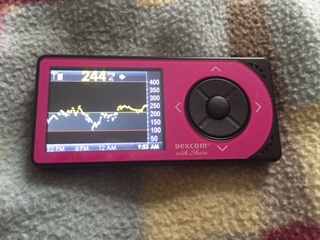
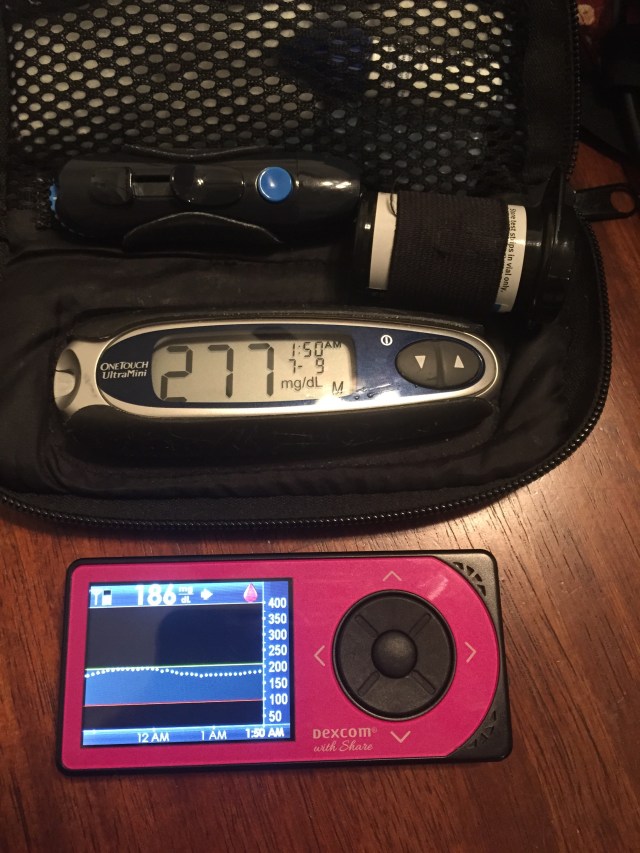
When I was normal person sick (NPS) last week, my CGM could not keep up.  Neither could I, but I used all of the tools in my toolbox, to include my own diabetes intuition, to get out of the murky waters.  Thankfully, I manually checked my blood sugar before dosing insulin at bedtime:
IMG_5065

I in no way want to stifle innovation by expressing this opinion.  I admire (and consider as friends) many of the advocates who are fully in support of this CGM dosing proposal.  I also respect the major diabetes organizations which are onboard.  Despite not agreeing wholeheartedly with their rationale in this case, I have no doubts that they want to see a better world for all diabetics.  We all do, in our own ways.

My experience in healthcare leads me to believe that this decision will ultimately restrict our access to test strips, as insurance agencies will look to cut costs.  And heck, as business leaders, they should; the ACA rewards and encourages cost reduction, and many consumers supported these measures vocally and at the polls.  Regardless, this is beyond anxiety-provoking for so many of us.  Test strips are ludicrously expensive already, and to imagine that we may be limited to a few checks a day to calibrate an imperfect CGM apparatus is maddening and disheartening, to say the least.  Pass the coffee.

Imagine the current healthcare loop-de-loop.  Imagine the Medtronic/UHC debacle.  Actually, do not imagine- because we are already living it.  And we know how unpleasant it is.  Now pretend that your insurance has restricted your test strip supply, and you do not feel comfortable dosing via CGM.  You have to get a letter from your endocrinologist, or perhaps a mental health care provider, indicating that you need more test strips to manage your chronic, lifelong condition which will never go away until there is a real cure.  Nonetheless, you have to jump through this paperwork hoop every 3 months, missing time from work to argue with suppliers about why you need life-sustaining medical supplies.  And maybe insurance will grant you 7 test strips per day instead of 2 when all is said and done…  While this example is (hopefully) extreme, it is still possible.  And it’s scary as heck for many of us.

“But Medicare won’t cover CGM.  Or how will this affect the Libre?”

Again, I think we are attacking the wrong sources- deflecting one issue onto many others.  By potentially limiting a test-strip-saavy demographic in the name of providing wider access to all is a total cop out.  Instead, hold our government more accountable.  CGM is a reliable tool, illustrated to be life-saving and absolutely quality of life-improving.  For these reasons, Medicare folks (or swap in folks who want Libre access), deserve to have better technology on hand.  But to substitute one option for another is silly, given that both CGMs and blood sugar meters have plenty of room for improvement in the current market.

Online polls and petitions do not represent the whole.  From a science and data standpoint, they illustrate a sample demographic from which we can make some educated-inferences:

1.) Most of these people have computer/smart phone/internet access.

2.) This enlightens us as to their ballpark socioeconomic status.

3.) That gives us some idea of their access to and quality of healthcare.

Convenience samples are fine as long as biases are disclosed.  We must say upfront that this is one side of the very large diabetes equation, and that this sample is not representative of The Whole.  While we cannot all leave our fulltime jobs or school courses to lobby in front of Congress or the FDA, those representing us should be enlightened as to how we all feel, and should act accordingly.

As Erin Gilmer has respectfully pointed out on numerous occasions, there are marginalized demographics who cannot obtain the most basic of diabetes care: dental visits, for example.  Yet we are up in arms over insulin pump collusion.  Or, in this case, CGM dosing.  The marginalized folks are not likely to be invested in this discussion because they do not have access to what is at stake; heck, they do not have access to the bare minimum.  While we raise our voices, we must take caution not to further drown theirs out.

In many of the presentations of the CGM dosing issue on social media, I saw big fish in the diabetes pond introducing the topic as, “Here, this is good, hop aboard and get involved!”.  This mindset is positive, for sure.  But we are not whole if one of us is not heard, if different viewpoints are not given adequate opportunity to be discussed.

What about the school nurse who wrote into the debate on a Facebook status post?  Did we listen when she said she would be uncomfortable dosing a child in her care at school based off of a CGM reading?  Do we care?

On the flip side, if someone has great CGM accuracy and wants to lessen the finger pricks his type 1 toddler endures, am I hearing him out?


Que será, será.  Whatever will be, will be.  Ultimately, a decision will be made regarding the FDA and dosing with CGM.  But we should all have a voice in it.

This is a long post and I surely will go to bed and realize I left out a few other big points.  But this is food for thought for now.  Although I am a little fish in the diabetes pond, it is my moral responsibility to use whatever platform I do have to improve life for diabetics.  In my personal judgment, voicing this opinion has merit towards that cause.

I also promise to be upfront about my own diabetes biases.  In the past, I have gotten on my soapbox and pledged up and down the river that we need a cure.  But perhaps I have not listened to the other advocate on the soapbox next to me, who may be more focused on an artificial pancreas and who may feel that it is too painful to believe in a cure after years of disappointment.  I have to respect that voice, too, because that person is part of The Whole.

So, here are my disclaimers:

1.) I can only represent my own opinions, but I hope that I can connect with others and help them by writing authentically and openly- whether we agree or disagree on various points.

2.) I will always hold out hope for a diabetes cure.  Even if it does not benefit me in time, I want future generations to live in a better world.  My blog focuses on this concept often, but please know that I respect everyone who strives for a better world for people with diabetes, however that world may be achieved.

3.) I will do my part to be more inclusive of The Whole.  Firstly, I will feature more about cystic fibrosis-related diabetes (CFRD) on my blog.  The CF community has so much to offer, and they have a valid seat at our diabetes table given CFRD/the risk of CFRD.  Let’s learn more together.  More to follow.


Too much skim or 2% milk leaves out a talented, diverse sample of people with diabetes.  For the time-being, instead of taking my coffee very light (with cream), no sugar, I pledge to focus more on The Whole.  

Thank you


Health Tech, Brains, and Bodies

Many thanks to my Stanford MedX friend, Mark Freeman, as well as Matt and Daniela, for having me on the Everybody Has A Brain podcast to chat about wearable health technology.

These awesome folks are responsible for one of my favorite healthcare takeaways: Everybody has a brain.  If you have a brain, then you have mental health.  Let’s normalize the conversation, then.

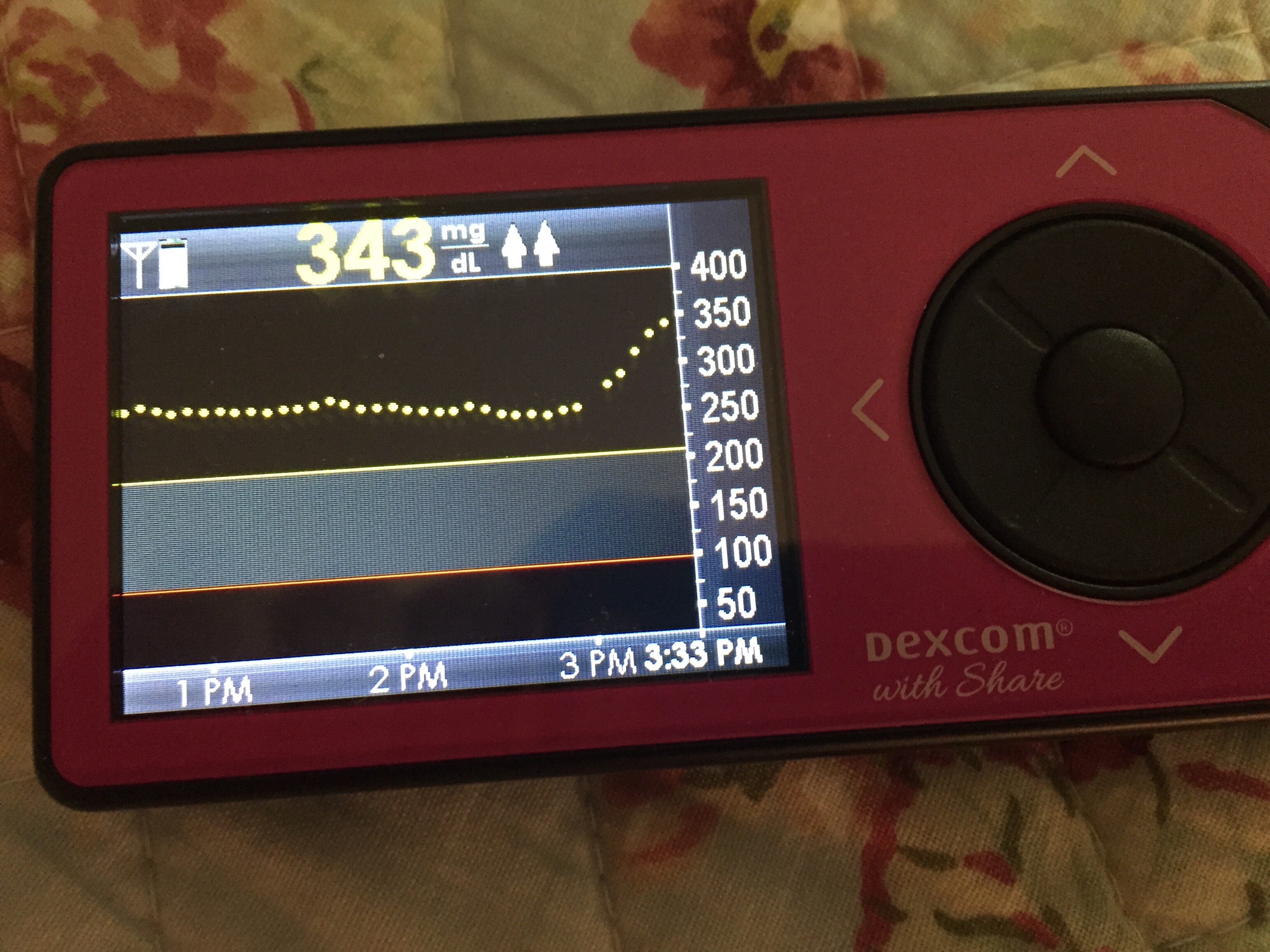
Mark and I discussed the pros and cons of my Dexcom continuous glucose monitor (CGM) experience, to include physical and mental components of using health technology.  I even sent along a not-so-perfect CGM photo to illustrate the sometimes-wonky T1D reality of Dexcom alerts.  Matt and Daniela then continued the chat on wearables.

Please take a listen (link below), and check out everybodyhasabrain.com to see other cool content.

Everybody Has A Brain podcast

Kangaroo Krazy Dreams

My insulin pump administered ten units of Humalog in my sleep!  I must have rolled onto it the wrong way, and the buttons got pushed!  HELP!!!


I splurged.  I drank the entire island-themed mixed drink with all of the sugary syrup, and I forgot to bolus.  Where is the insulin vial that’s normally bouncing around in my purse?


My meter says “HI” but it’s not the same friendly “Hey what’s up hello” a la everyone’s favorite rapper, Fetty Wap.  I could drink an entire gallon of water.

IMG_4697 


“Your GFR results were funky.  We’re going to do this Fancy-Sounding-Medical-Test to further evaluate things.  The nurse will be in soon with a mile-long needle to stick in your back.”

“Can’t we wait a minute for Dr. Z to arrive?  I don’t want to do this before talking to her.”

“This is healthcare, honey.  Time is money.  We can’t wait for another doctor.”


“What are you doing?!!  Why would you pull your car over in such a dangerous location?  There is a blind spot around this curve in the road!  Another car could hit you!  So, so stupid!”

“I’m low.”  Even if I’m not low, maybe that reasoning will be enough to make him stop this time.


Must. have. food.  Hamburger. Fries. Soft serve vanilla ice cream.  Anything.  The words aren’t coming out when the cashier rings me up…


I’m so tired of needles.  It’s not even the momentary pain.  It’s the voluntary submitting of myself to another human being whose societal title raises him or her “above” me.  Doctor.  Patient.  Needle.  I’m not signing up for this again.  One month off from appointments won’t make or break my health.

But then the baby kangaroo hopped over to me.  Overcome by its cuteness, I hugged it tightly.  Baby Joey reacted by biting my hand, slicing into my thumb.  Mom tried to catch him so we could test for rabies, but he bounced away into the woods.

Rabies shots?  No, please no more needles.  Can we just wait a little bit?  My doctors will be back from vacation soon and then we can move forward with the shots.  This is supposed to be one month off!  Please!  I promise I’ll be good.


baby kangaroo giphy

Source: giphy.com


I always assumed other diabetics dreamed about diabetes as often as I did, until an impromptu and unscientific Twitter inquiry informed me otherwise.  Some #doc members replied that they had only dreamed of diabetes once or twice; others shared a few humorous tales inspired by overnight hypoglycemia.

[After-Publication-Note: The above-mentioned were just dreams.  All is well.]

I am in the Twitter minority that dreams of diabetes on a weekly basis.  The snippets illustrated above come back to one resounding theme: There is an emergency, the odds are against me, but I somehow am responsible for getting myself out of trouble.  Life with diabetes in a nutshell, if you ask me.  We just look pretty damn brave while we live it every day, so others do not always notice our superhero capes.

Along with some valuable assistants, I have moved mountains to quell my anxiety in recent years.  Anxiety will always be there, but it does not have to be the loudest voice in my head at all times.  What saddens me with these regular, scary dreams is that my body is subconsciously in survival mode even when at rest.  Diabetes never sleeps, and neither do we.

The good news is that these dreams have value.   The incessant cravings in the McDonald’s line?  Yup, my body is signaling that my blood sugar is low.  Eventually a light switch goes off and I jerk awake, covered in sweat, just in time to hear the CGM alert going off and to gulp down the juice on my nightstand.

The kangaroo?  Well, I have to be honest with myself: Although I appreciate the wonderful healthcare I receive in Boston, everyone needs a break at some point.  I recently booked a few non-essential appointments closer to my Rhode Island residence in an effort to cut some traffic corners where I can.  For now, I’ll reserve Boston for the vitally important appointments only.

But as much as I want to pretend that I can handle all of this on my own right now- during the self-prescribed “month off”- the reality is that I still need the support of my healthcare team.

Can’t we just wait for my doctors and nurses before the rabies shots?  Can’t they just take it all away- diabetes and injections and highs and lows and fear- just for a few minutes?  Please. 

I don’t say it enough, but I’m braver with their help.  


Ally-gator Scratching for Answers

A few weeks ago, I attended some follow-up appointments at Mass General Hospital (MGH) in an effort to identify allergies that may be triggering an inflammatory response in my body.  In other words, #JustSayNoToKetones, random fevers, crappy BGs, and the typical symptoms of a type 1 diabetic’s response to the dreaded “normal person sick” (NPS).  A WordPress glitch is not allowing me to link to content tonight, but the background to my MGH visit can be found by searching for the blog post “Sleuthing” on verylightnosugar.com.

In April, a scratch test confirmed what we already knew.  I am allergic to the following culprits.  Do not let their pleading-innocent faces fool you in their mugshots!


IMG_2823

 #WhoMe? #TootsieWithTheGoodFur

IMG_3087

#FreeAceDog

IMG_4396

’16 Bonnie & Clyde

IMG_3058

Scratch test and shoe game

We scheduled more intensive allergy patch testing in June, in which potential household irritants are temporarily placed on the skin to elicit reactions and identify allergy triggers.  I visited MGH on Tuesday, Thursday, and Friday, logging hundreds of miles on my car and refreshing my memory on just how difficult Boston traffic is in the summer.  I averaged 2 hours on the way there and 3 hours on the way back to Rhode Island due to traffic.

On Tuesday, a nurse placed the patches on my back.  She carefully explained each step in order to keep me calm and informed.

“Now I am going to clean the area… Now I am going to dry off the area… Now I am going to place the patch.  It’s like a big sticker… Now I am going to secure the sites with tape… Now I am going to draw around the sites with marker so we can track the reactions and the locations… You may feel a little itchy… Do not get the sites wet or super sweaty… Try not to scratch so we can examine things clearly when you come in again… Call us with any problems…”

“That’s it?  I’m free to go?!”

And off I went for 48 hours of fun.

IMG_4450

I’ve always wanted to say that a crocodile, an alligator, a Great White Shark, a mountain lion, or a bear bit me.  Seize the day, folks.

The sites were a little itchy, but nothing unbearable.  In true diabetes form, my skin was more agitated by the medical tape than anything else.  Eventually I could tell that a baseball cap and perfume overload were not going to cut it; I needed to wash my hair without getting my back wet.

The first attempt in the kitchen sink resulted in me inadvertently mopping the floor with my soaking wet hair.  I moved on to the shower, my back carefully padded with towels and sweatshirts to avoid contact with water, which would jeopardize the test results.  I craned my neck into the stream of water and scrubbed as best I could.  The next day resulted in a “hat day” as well, my hair a total Punky Brewster disaster.  Shout out to the Betes On Tap crew for sitting next to the smelly girl at happy hour.  You are good for the soul.  🙂

On Thursday, I returned to MGH for the patch removal.  A nurse gently peeled off the tape and then the patches, always cognizant of how much her patient was flinching in the background.  The skin is understandably angry after all of that, so a 20-minute waiting period takes place before the sites are examined to allow the skin to cool down.  One of my top ten favorite healthcare interactions of all time resulted:

“Try not to scratch, okay?  I’ll be back soon.”  -Nurse

“Okay.” -Me

*Frantically scratches back as nurse leaves the room*

20 minutes later:

Nurse, lifting patient’s shirt: “Did you scratch…?”

“No…..I mean, yes!” -Me

Now I know how Tootsie and Ace feel: guilty as charged.

Further examination revealed some irritation to certain patches.  The nurse bid me farewell with strict instructions not to scratch at home.

On Friday, I met with the doctor.  The skin irritation had quieted down at that point, and she did not believe that I was reacting to the patches we tested.  Further testing of a wider range of patches was recommended.  TBD what that will reveal… But at least I’ll know how to wash my hair better for the next time.

We also did a penicillin test, which involved scratch testing of the skin, shots, and eventual ingestion of penicillin.  Being a healthcare nerd, I know that penicillin allergies are often misdiagnosed or that patients will outgrow the allergies, and I was hopeful that the one time I broke out in hives and ran to the bathroom every few hours while taking penicillin in college would be a fluke.  It was.  Your girl is free to take the antibiotic again, which is nice to know in case of any serious infections in the future.  Now to update my MedicAlert bracelet!  I will bask in the glory of removing a medical jewelry condition rather than adding one this time around!

I took everything in stride the week of the appointments, mostly because of the superb care I was so blessed to receive at MGH.  The appointments ran on time; I was seen by an expert in the field; the nurses were considerate and thorough; the receptionists were friendly; a volunteer greeter walked me to the elevator I needed; just wow.  From the moment I stepped foot in the main lobby at MGH, I was treated respectfully.  I was not just a patient.  I was a human being.  Just like everyone else in the building.  This is a welcome change from some of my experiences at other facilities, and I urge those clinics (you know who you are) to take a page out of MGH’s book.  There is a reason why MGH is repeatedly numero uno.

The following week, exhaustion and burnout reared their ugly heads, and I was just… done.  Done with diabetes, with healthcare, with publicly sharing my health story, with traffic, with pretty much everything.  I wanted my privacy and my identity back- to not submit myself to one more needle poke or to being a patient incessantly pingpong-ing around the healthcare system.  Alas, after lots of sleep and lots of time spent in good company, I can see the light more clearly this week.  I am extremely fortunate to live near Boston and to receive topnotch care.  It is okay to be tired.  But I have to keep going, not allowing health woes to take over; rather, to know that I am trying.  We all do this because we have to.

Goodnight.  Don’t let the scratch tests bite.

-Ally-gator


*My condolences to those mourning the loss of friends and family members from the diabetic online community this week.  I hope that this blog post provided some comic relief, but on a more serious note please know that you are all in my thoughts and prayers. 

#weneedacure


UHC/MDT Debacle Through the Lens of a Bruised Insulin Injector

If I were to fit the stereotype of a self-absorbed Millennial, I shouldn’t give an albino squirrel’s @$$ that UnitedHealthcare will solely cover Medtronic insulin pumps in the near future.

^ Albino squirrel spotted in Washington, DC.  He told me that a laboratory cured him of diabetes!


Well, albino squirrels are real, and so is this Millennial.

I do care.

My insurance provider is not UnitedHealthcare.  I walked away from my Medtronic insulin pump over a year ago.  Currently, I manage my type 1 diabetes using Lantus and Humalog insulin pens, the traditionalist method of being certain that insulin is getting into my body.  My stomach bears the bruises to prove it.

Disappointment still lingers when I think about the divorce from my Medtronic insulin pump.  I identified an infusion set defect, and spiked high ketones with every site change.  I pleaded with Medtronic to help, to find an alternative solution, to listen and to trust me.  For awhile, they did.  But then the problems kept happening, and I kept emailing, and they finally chose to stop responding.

They walked away.  If only I could abandon my type 1 diabetes so easily…

I have been vocal about my insulin pump tribulations, but I have always given Medtronic the benefit of the doubt at the end of the day.  My situation was a rarity; most people have good hearts; the manager who did not respond to my emails was told to do so by higher-ups who feared a lawsuit; she went home at night and felt a twinge of guilt, wondering if I was still sick with ketones from my failed pump sites.

At least that’s how I try to imagine it.

When I first saw the headlines about UHC and MDT teaming up, I was frustrated but not surprised.  Finally, people were seeing the light.  Rather, the darkness.

Our healthcare system involves give and take, tug-of-war with patients’ quality of life and companies’ profits at stake.  Although the Affordable Care Act gave us coverage for pre-existing conditions, the ability to stay on our parents’ plans until age 26, and supposedly lower costs, the reality is that in order to receive, we also have to give.  To cut costs in one place, costs have to shift somewhere else.

Medtronic and UnitedHealthcare are not the only companies out there striving to make a profit in a newly-designed medical playing field.  Perhaps their business arrangement was intelligent for their own financial reasons.  Public relations-wise, not so much.  Only time will tell the true breadth of this so-called deal.

As we over-emphasize cost-cutting, we must be careful not to also snip choice and patient autonomy.  Reducing costs sounds great in the short-term, but we cannot disregard the long-term.  If patients’ health is compromised by inadequate access to resources, all the costs that insurance companies may have saved upfront will later be seen in hospital bills and subsequent treatment.

Under my current insurance plan, a preferred provider organization (PPO), I can go out-of-network if I so choose and if I have the capability to pay more for that care.  There are times where I believe wholeheartedly that an out-of-network provider is the absolute best shot at achieving better health.  That is my prerogative, and, understandably, my financial situation to figure out.  While the pricing may not be pleasant, what is most important to me is that I am able to access that care.  If high-quality care means sacrificing my own money for a vacation or a fancy new car, that is my choice.  If my financial situation changes later on, perhaps I will have to reassess and fall back to an in-network provider.  Yet such ability to choose should never be limited by the government or by insurance providers.

Collusion of insulin pump coverage is concerning not only for the diabetes community, but for healthcare at large.  Imagine the ramifications of collusion in multiple disease categories, of various insurers, corporations, and pharmaceutical companies.  Sure, big business is big business, but ethics should be ethics, too.

Notably, in “socialized healthcare” situations all over the globe, we must concede how much give-and-take is occurring.  Patients may have to wait months to be seen by a provider, and that provider may be mediocre.  Such is the sacrifice for limiting the free market.  On the flip side, we have gargantuan healthcare costs here in the U.S. because we roll the dice on access and affordability of treatment in the name of corporate greed.  If the grass is apparently always greener, well, it looks pretty yellow from my point of view, no matter how or where you slice healthcare financing.

Next weekend I will walk at my Commencement ceremony, having completed my Master of Science in Healthcare Administration and Management degree in December of 2015.  The UHC/MDT situation reminds me of a moment in our Public Health course.  As our Professor detailed how “money talks” in medicine, a longtime nurse in the class shook her head, visibly horrified.

“Is that really how this all works?  People don’t simply want to help others who are hurting?” she asked, bewildered.

She was like the little kid learning that Santa is not real, her innocence suddenly dissipating before our eyes.

The reality of healthcare is that money does talk.  Yet, like my classmate, we have to keep the hope alive in our hearts that some of us good eggs are in it for the long haul, for improving lives and fostering genuine human connection in the process.  Medtronic and UHC have called such goodhearted concepts into question, which is why we are now experiencing #AllOfTheFeelings.

Circling back to my personal, weird insulin pump scenario: The things that kept me afloat during such dire straits were my compassionate healthcare team, and the ability to choose.  When my Medtronic pump was no longer a good fit for me, some semblance of hope remained.  I could always sidestep over to a different insulin pump brand, for example.  Or, I could return to multiple daily injections, which I ultimately decided to do.  My doctors and nurses listened to me; they trusted my judgment as an informed, engaged patient; and they lifted me up on the days when it all seemed too heavy a cross to carry on my own.

Not one second of that ordeal was easy.  But we did it, somehow.

My advice to those overwhelmed by anxiety about access to health technology in light of the UHC/MDT deal is that you will survive somehow, too.  It may not be enjoyable.  It royally sucks that such a violation of your trust as a consumer has occurred, and that your freedom of choice has been stripped away.  It is morally reprehensible that this is happening under the guise of expanding innovation; limitation of choice, in fact, stifles creativity at all levels.  You have a right to be angry as hell.  Lean on each other liberally.  Remember that there are people overseas, or even in our own backyards, who do not have access to insulin.  Our voices must lift them up, too.

Hard times boil down to the good eggs and the bad, the people who answer emails filled with desperation and suffering, the companies which accept responsibility and troubleshoot the issues, the patients who never stop advocating no matter how sick they feel, and the medical teams which have their backs.

Healthcare is a complicated equation.  But we are on the right side.

We are the people who care.

Medtronic and UnitedHealthcare, do you care enough to join us?


Good Eggs Versus Goliath

???

I’m asking the same darn question. What in the actual Swear Word is going on?!

Let’s get the disclaimers out of the way upfront:

I am, undoubtedly, one of the lucky ones when it comes to health insurance. We can have the debate over whether or not Dexcom is a necessity or a privilege some other time. If I was stranded on an island, obviously insulin would be priority number one. But outside of being stranded on an island, Dexcom is a tool that keeps me safe. Because I value the high-quality product provided by the most innovative company on the market, I chose to fight for my supplies recently.   

Yes, I am a minnow in the healthcare pond. Society is filled with bigger fish who only see $$$, not the frustration of minnows who see ??? on their Dexcom screens. But does that mean that I have to lose hope in humanity? Nope. There will always be good eggs fighting against Goliath, and I want to give everyone that benefit of the doubt. When I lay my head down on the pillow at night, I want to know that despite whatever diabetes-related concerns I may harbor, I still tried. Hence, this blog post.

We all deserve better in healthcare. Step 1 is openly talking about it.

Long-story-that-has-been-rehashed-far-too-many-times-on-Twitter-short:

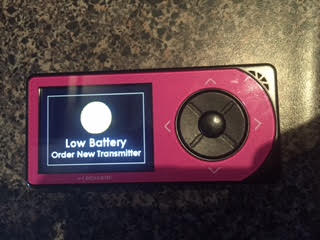
My Dexcom transmitter alerted me to its quick decline a few weeks ago. I immediately placed all of the appropriate phone calls to Dexcom and my third party supplier, Neighborhood Diabetes, as well as emailed my endo clinic. Unfortunately, we all go through these healthcare loop-de-loop headaches from time to time; I am well-aware that this problem occurs to others, too, and I am just as livid about their interruptions in quality of life as I am about my own. What was different for me this time around was how unnecessarily drawn out, draining, and dehumanizing this war with Goliath was.

low transmitter battery

How many steps does it take to receive a diabetes supply in 2016, you might ask?

  • 15 phone calls to third party suppliers, endocrinology clinics, and Dexcom customer service
  • 13 emails to various providers
  • 2 voicemails from third party supplier
  • Hitting “refresh” on the USPS tracking website a pathetic number of times
  • Gazillions of Twitter vent sessions
  • Countless hours of interrupted workdays during these phone calls/wait times
  • 1 box of Puffs Plus to dry your tears of frustration
  • 4 trips to your apartment’s leasing office mailroom
  • 2 awkward encounters with the mailman as you stalked his delivery route
  • 2 weeks of remembering what it was like to sleep pre-Dexcom

-Hint: I won’t take Dexcom for granted again, although I am in a tech- detox until this weekend because, frankly, I need a mini-vacation after this ordeal.

-Notably, all of this is for ONE supply out of thousands needed in our diabetes lifetimes!!!


There are also elements which we cannot objectify so easily:

  • Anger that our supposedly new and improved healthcare system remains SO disjointed
  • Extreme guilt that this is a first world, continuous glucose monitor problem when so many in our own backyards and overseas struggle to obtain the basics required to live with diabetes

-If being “angry that you are angry” is a thing, it was definitely my thing this week.

  • Which leads to more anger and self-doubt: Am I handling this well? Am I dramatic?

-Repeat that cyclical conversation in your brain a billion times over.

-Still feel guilty, as if YOU did something wrong here.

-Recognize that ^ is what abusers do to their victims; they twist the responsibility. Acknowledge that healthcare can be a big bully, and that no one deserves this.

-Realize that no, this situation is ludicrous. But yes, you are still blessed compared to others that you have what you do.

  • Demoralization that you have to beg and beg and beg to be heard. That you have to explain, on every call, why this product is important. That once again you are at the mercy of something beyond your control, and diabetes has a hand in that just like it did during that horrific low on your middle school field trip so many years ago.  Use incomplete sentences to express how off-putting this is.
  • Brokenhearted that this will likely happen many times over because #weneedacure that is realistically still far away.
  • Misunderstood: How can we possibly articulate how. much. time. we spend battling for supplies in order to survive?
  • What about how little time that leaves to actually live?


Understandably, Dexcom is going through some growing pains due to chart-topping progress recently. Their call center is overworked. I’ll admit all biases here: I like Dexcom a lot, and I cut them some slack here because I have faith that they will rein in this situation soon. All of that aside, though, waiting one or two hours to reach a representative is not anyone’s idea of a good time.

Dexcom did call me back and apologize, a feat that earns them more brownie points in my book. We live in a society that is quick to criticize and slow to forgive. Knowing this, Dexcom still took accountability for the things that went awry, which allows me to trust in their company character.

Then there was my supplier, Neighborhood Diabetes, which has historically answered phone calls at rapid-fire pace, winning my admiration. Initially, they performed in their usual customer-centric manner, getting the ball rolling on my new Dexcom order.

My endo clinic needed to dot some i’s and cross some t’s for insurance. But their email system is sporadically down, to the point where patients and providers alike cannot communicate effectively. A few phone calls later and I was reassured that their part of the deal had occurred.

So, I called Neighborhood Diabetes back, prompting my order to ship out before last weekend.

Cool, except that order never shipped out due to a “glitch,” which was discovered during my repeated “What the heck?!!!” phone calls. Transparency goes a long way, and I am happy that one of ND’s representatives was honest with me about the issue. Yet I couldn’t help but envision my islet cells doubling over in laughter as they recalled that time 25 years ago when they had a little “glitch,” too.

Two weeks after this fiasco began, even the mailman was happy when delivery day arrived. I could not help but be reminded of the good eggs in the world as I found his smiley face emoji note, and the subsequent Neighborhood Diabetes package in the box to the left, to the left. 🙂

mailman note

Neighborhood Diabetes box

As diabetics, we have to be on our A-game every day. Our lives depend on it. Our family and friends rely on it because they do not want to prematurely lose us. We are all human and we all mess up from time to time. But we do not get the luxury of inefficient or ineffective practices. We do not get to have “glitches” or one-hour hold times at the call centers of our own bodies whenever we want a break from diabetes.

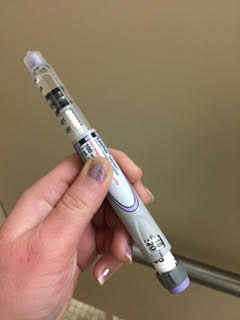
Lantus

There were many moments over the past few weeks where I longed to mimic Kristin Cavallari’s famous Laguna Beach line, “My car is dunzo!”, except I would have replaced “car” with “pancreas” or “emotional stability.” Honestly, this whole situation broke me more than a scary low blood sugar ever could. It made me question my strength in handling all of this, but I also discovered one very clear truth:

In healthcare, there are good eggs and there is the Goliath of the broken system. Although an egg’s hard exterior may crack under pressure, the goodness inside is what matters when all is said and done.  Be one of the good eggs.


Healthcare loop-de-loop

This blog post serves as a simplified example of the complex headache that is the “healthcare loop-de-loop.”  Ironically, I pledged to write about this topic last year as an offshoot of a blog about diabetes needles.  Today, I again blog about diabetes needles, and how many hoops we must jump through to obtain minimal elements of surviving diabetes.

Many have it more difficult than me, their basic health needs unmet.  Frankly, I have somewhat decent healthcare coverage through my employer, and I have also studied healthcare at the graduate level and understand its nuances.  My point being: Despite all of this, healthcare remains an untamed beast, from the lower administrative levels all the way up.  If I have it “good” and experience this, what about all of those slipping through the cracks merely due to circumstance?

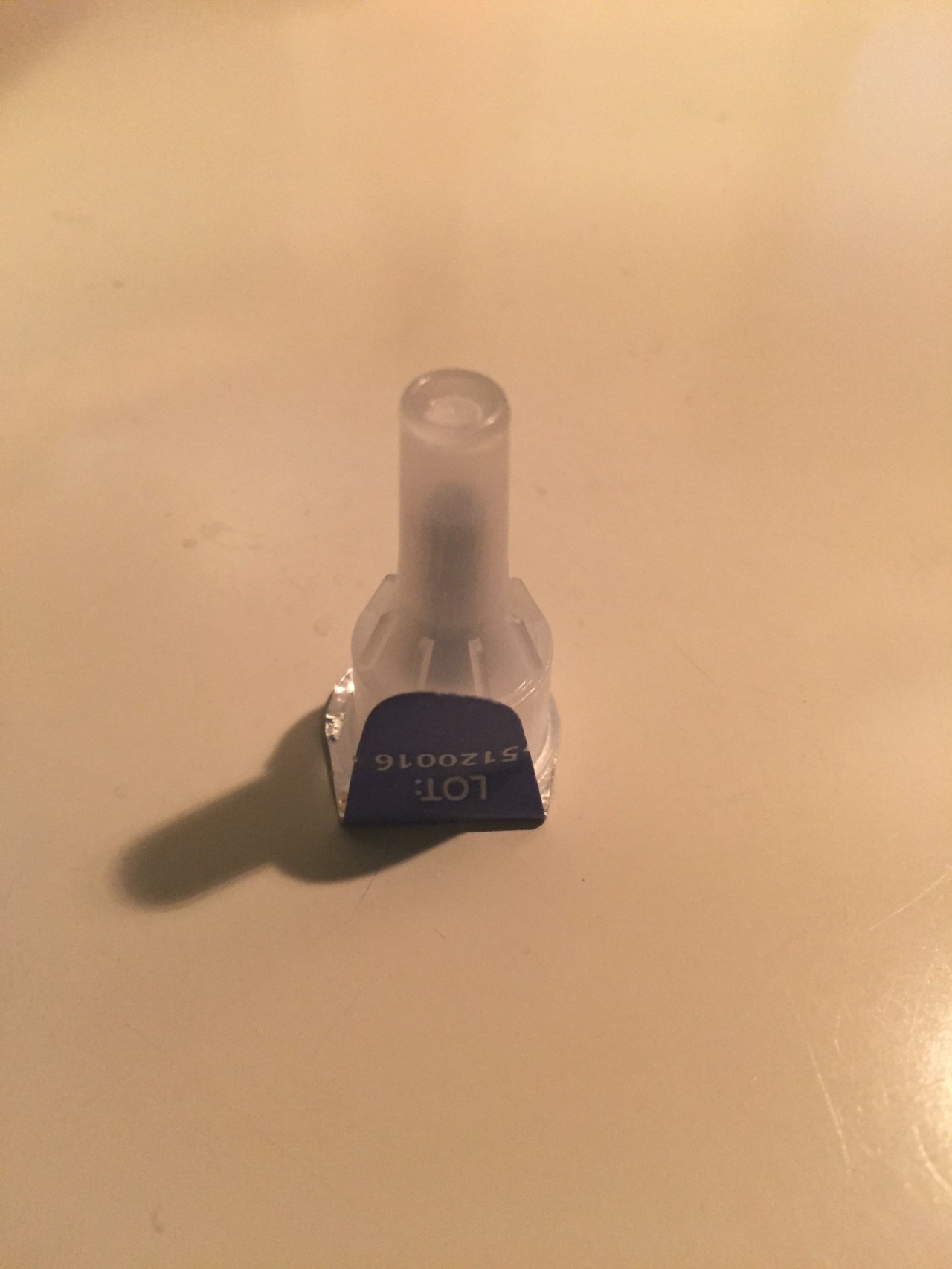
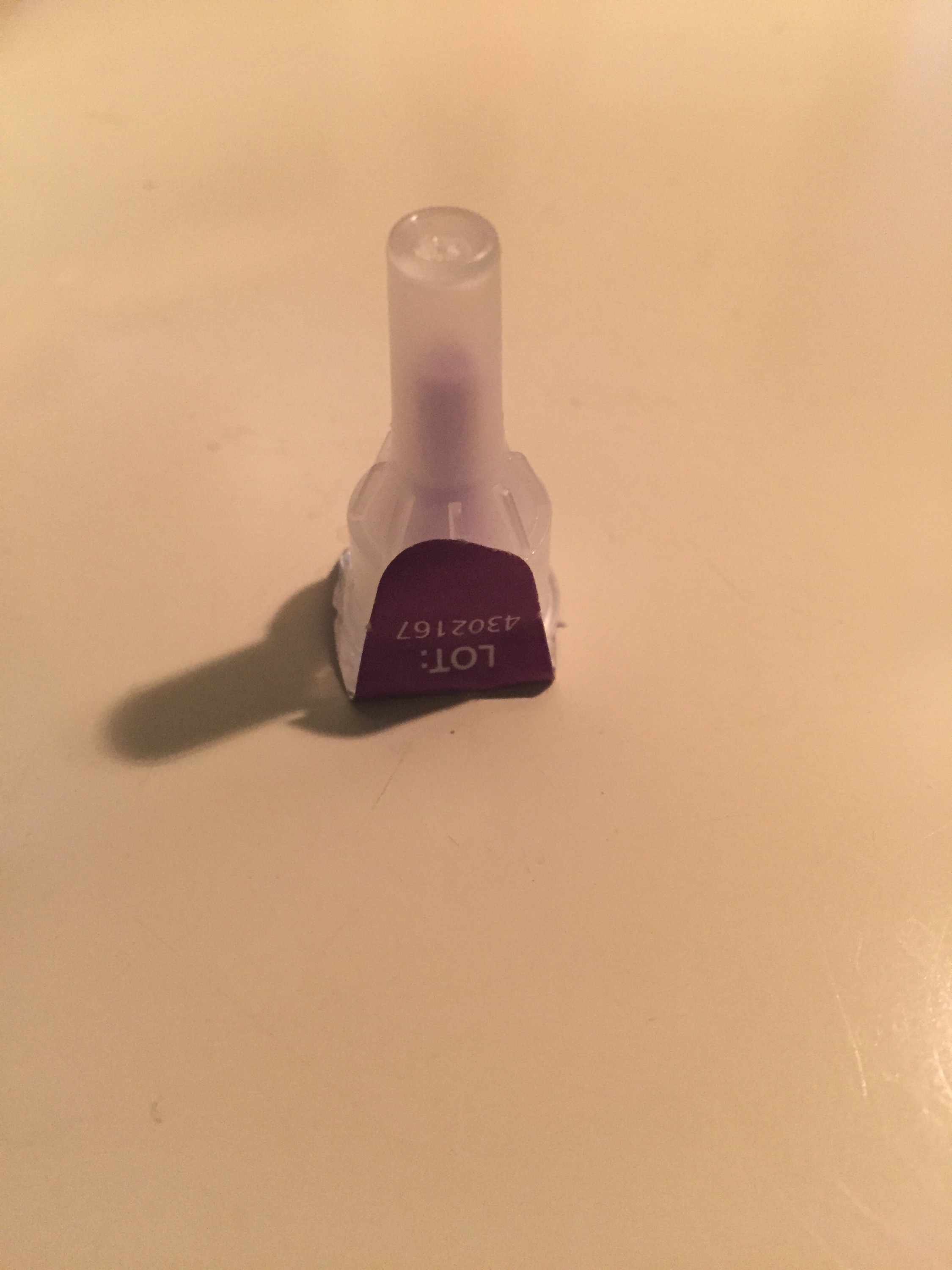
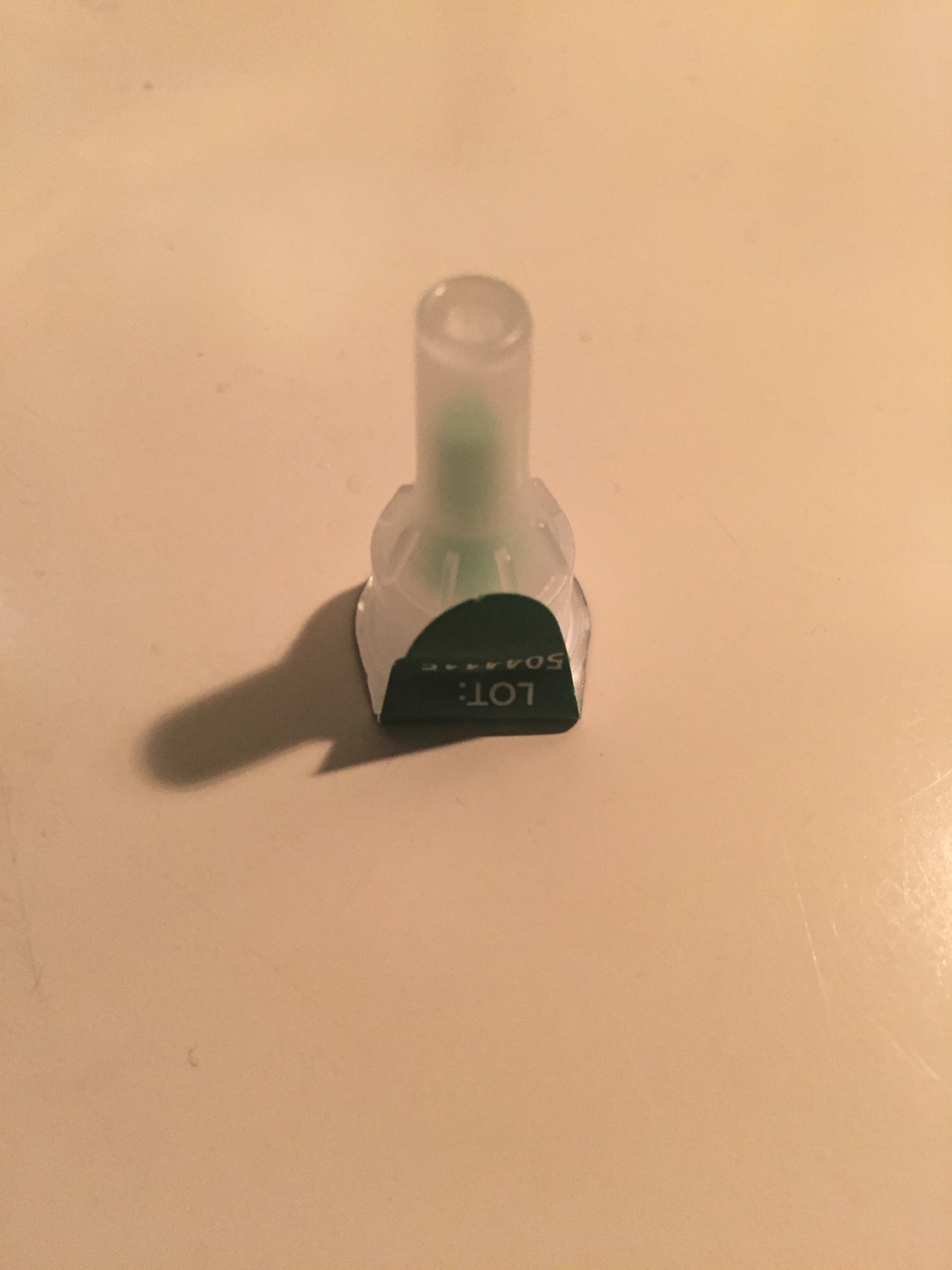
The healthcare loop-de-loop reemerged last week when I went to refill an insulin pen tip prescription, which was promptly denied by my insurer.  (I use two different types of insulin pen tips- the 4 mm BD tips for Lantus and the 8 mm tips for Humalog.  My doctor and I found that the smaller Humalog volume was not being absorbed by my body with the 4 mm tips, so we begrudgingly opted for the larger 8 mm’s.  Your diabetes may vary.)

Allow me to further explain, via Twitter rant:

pen tips twitter1

pen tips twitter2

^ Because of the confusion about the needle length sizes and what had previously been refilled/what needed to be refilled currently, insurance flagged the new prescription as something to deny.  In reality, it was simply a new prescription for a different needle length, granted by my doctor to alleviate some pain from multiple daily injections.

pen tips twitter3

^ I cannot make lengthy phone calls at my job because my job duties would be compromised.  And I need to work for reasons of insurance and paying healthcare bills.  Many of us are in the same boat here.

^^ “This probably should’ve been a blog.”  …Yup, now it is.

pen tips twitter4

^ As maddening as this phone call marathon was, Spare a Rose puts it all in perspective.  Although our healthcare situation is far from ideal in the United States, we are blessed to have what coverage we do have.


At first I felt dramatic for live-tweeting my everyday diabetes grievances.  Later, I was pleasantly surprised by how many people validated my feelings, unfortunately having experienced similar irritations of their own.

The resounding theme was: This isn’t right.  Whatsoever.  Amen.

Healthcare is a complicated, multidimensional goliath.  I just so happen to love learning about it.  But when healthcare bites back at me, it is a reminder that I am still a little coffee cup in a big sea of healthcare coffee beans.  Socioeconomic status, insurance coverage, and corporate power are just a few of those beans playing in the healthcare game.  The stakes are high: Quality of health, and, therefore, quality of life, are on the table.

I recognize that my tiny roar may not jostle healthcare mountains.  Currently, there is too much bureaucracy and red tape to allow many of my suggestions to move forward.  But in order to do my part rather than sit back and complain behind the shield of my laptop screen, I must recommend some changes.  If they are heard outside of the confines of my own mind, then it is worth expressing them.

I will start small, with the insulin pen tip example:

“Hi, my name is Ally.  I have been type one diabetic for 25 years.  One day I am confident that there will be a diabetes cure.  We always keep that faith alive.

However, that cure is realistically still far away.  In the meantime, I will require insulin every day in order to survive.  This insulin should be affordable and accessible.  Anything less is morally reprehensible.  The same logic goes for any other life-sustaining medication for any other serious illness.  We can and we must do better.

If a type 1 diabetic is not using an insulin pump, he or she requires insulin syringes or insulin pens (glorified insulin syringes for ease of user experience).  Insulin will be delivered into the body through a needle at the end of the syringe or insulin pen.

Because I require insulin to live, and because I use injections rather than an insulin pump to manage my blood sugar, my skin must be pierced by needles every day until I am cured.  Insurance could make this more bearable by not causing obviously-necessary prescription refills to be a royal pain in the @$$.

The Endo clinic could edit their coding system, so that pen tips can be ordered by millimeters, rather than gauge.  No one likes to say, “Can I refill this 0.99784567325 X 54321 infinity pen tip needle, please?”  Just say 4 mm in your system.  Thumbs up emoji.

Kindhearted pharmacist who empathized with my worries over the insurance-endocrinology clinic ping pong battle deserves a coffee on my dime.  So does insurance representative who patiently worked through the mix-up in order to get my supplies.

Understandably, BD does not want to market their insulin pen tips as “8 mm LARGE, will leave giant bruises; 5 mm semi-large, still may bruise; or 4 mm, smaller but you’re still jabbing yourself with a needle!!”.  However, calling the pen tips “Short (8 mm), Mini (5 mm), and Nano (4 mm)” all indicate “small” in the minds of patients, providers, insurers, and pharmacists.  You can see the root of the miscommunication.

Below is a color-coded chart, created by yours truly, for future reference.  Feel free to disseminate to all parties involved here.  It will lessen monthly Advil bills.

BLUE = 8 mm   “Long needle.  Only intended for use by badasses.”  Lamely called “Short” in real life.


PURPLE = 5 mm  “Medium-length needle.  Sassy.”  Lamely called “Mini” in real life.

GREEN = 4 mm  “Small.  Dainty needle for dainty pain.”  Lamely called “Nano” in real life.

ALLY = happy that you listened

Happy Ally

Thanks for hearing me out.  Until the next prescription refill…

XOXO,

Ally”


Try.

Try.

Dictionary.com says

“to attempt to do or accomplish”

“to put to a severe test”

“subject to strain, as of endurance, patience, affliction”

“to attempt to open (a door, window, etc.) in order to find out whether it is locked: Try all the doors before leaving.”

Fear.

Dictionary.com says

“the feeling or condition of being afraid.”

I fear spiders.

I fear insulin- too much and too little and not finding that happy medium dose.

I fear carbohydrates- too many or too few.

My biggest fear, though, is misconception.

If something “bad” ever happens diabetes-wise, others might think that I didn’t try.

This is why,

despite the fears,

brush the spider off the car windshield.

Say a prayer and take the insulin.

Eat the carbohydrates.

Treat the lows and the highs.

Until there’s a cure, we must

“Try all the doors before leaving.”

Try. 

Hey, that’s mine. And I’m taking it back!

I must confess that I haven’t been in a “very light” mood this week.  It’s a combination of PMS, a pesky chest cold, and the manner in which they catapult my blood glucose to the stratosphere, stuck no matter how many tears I dry or units I bolus.  It’s diabetes at its most vindictive: Ha! Your bazooka-bolus will drop you a whopping TEN mg/dL!  This in turn causes me to feel badly about my irrational BG “failures,” as well as my subsequent grumpiness.  I tried to take a Twitter hiatus as the Catholic grammar school mantra, “If you don’t have anything nice to say, don’t say it,” rang in my ears.  I woke up the next day to a few private messages from well-wishers (thank you- you know who you are), and I realized that instead of hibernating on Twitter perhaps I should open myself up to that support.  After all, it’s the signature of the online communities that I have grown to love.

#BellLetsTalk tweets and blog posts inspired me during my figuratively “extra dark coffee, loaded with sugar” musings.  It is humbling to see that so many people worldwide shared their deeply personal stories during this Canadian mental health effort, and by doing so they inspired others to seek support and to perhaps share their own stories, too.  #BellLetsTalk celebrates these strong, courageous souls.  I could feel the societal stigma lifting as I perused their words, felt their pain as a fellow human being, and admired their strength.

When Sophie- the talented blogger of Writing Possibility whose honesty and eloquence in writing make her one of my favorites in the #doc- invited me to participate in the Take Back What’s Yours campaign, I knew that this was an opportunity to empower myself during a week where diabetes was making me feel especially vulnerable.  Take Back What’s Yours is an effort launched by Chloe’s Concept encouraging readers to take back something good that may have been lost along the way during life’s tribulations, such as a hobby that brought joy or a sense of hope.  If you feel so inclined, please join us in taking back what’s yours.  Let’s celebrate ourselves in the spirit of #BellLetsTalk and #TakeBackWhatsYours.

Here’s what’s mine, and I’m taking it back:

Note: You’ll get the gist of it as you read each paragraph, but in certain circumstances I am “taking back” in the sense of regaining my footing with something I have struggled with.  I am taking it back in that I am conceding that it happened, but I will not allow it to occur anymore if possible.  In other circumstances, I am “taking back” positive things that I have lost sight of recently.  While the hashtag’s meaning may have been slightly altered for purposes of this blog post, I think the theme of #TakeBackWhatsYours is still alive and well here.  This is the best way that I can express the hashtag in terms of my individual trials in life.

1.)  From a point-forward basis, I am taking back the nights that I went to bed hungry as an employed, educated American woman.  I have been blessed enough by my current circumstances in life to be able to put food on the table; now it’s time to enjoy it again.  I do not fit the stereotype of a starving child in a third world country far away from here, but I have been far too familiar with hunger due to the aftermath of faulty insulin pump sites and the fears running rampant in my own mind.  Food is not the enemy.  Insulin is not the bad guy.  And I am fully capable of doing this, no matter how scary it seems.  I will not go to bed hungry any longer.  This means I must make some concessions: bolus larger amounts of insulin before bed; eat when my blood sugar is higher than I would prefer for it to be going into a meal; learn that it is okay to see some slightly-skewed blood sugars during this time of growing; share my story in case someone out there is hungry for the same reasons.

2.)  I am taking back the “set in stone,” predefined amounts of insulin that have so dictated my dosing for many years.  Each day with diabetes is different, and insulin needs to reflect this.  I will be more flexible.  I will email my doctor about the mini-successes.  I will celebrate them.  And I will pledge to keep trying.  If the dose misfires, well, I have enough experience to know how to handle it by now.

3.)  I am taking back feeling guilty about my feelings.  From day one of creating this blog, I promised to be authentic, and I believe that I have been.  Sometimes the #nofilter thing makes me feel like I’m wearing my emotions on my sleeve too much, but I wouldn’t be me if my sleeves weren’t a little dirty.  I am taking back being too hard on myself for a tweet that I perceived as overly-cranky or for fear of annoying others.  We all annoy someone at some point at some time.  If we are in the wrong, we can apologize and move forward.  But if we walk the line of keeping too much to ourselves, we aren’t allowing others in as much as we should be.

4.)  I am taking back my former joys and living in the moment.  I will recognize that I am more than diabetes and health care advocacy.  While these are enormous passions of mine, I also need to take some time for myself to try new things and to chill out with my own thoughts.  Always being on the go and jumping head first into the next project are qualities that have helped me to succeed, but reading a book for pleasure or grabbing a beer after work with friends on a Wednesday night are also ways in which I can obtain happiness.  There doesn’t always have to be a goal: an A1C target, a certain GPA, a defined objective measurement of success.  Instead, there can be some down time to relax, to connect with the people around you, and to be present in life.  It is fine to be hardwired to “busy and productive mode,” but setting aside a few hours a week for other enjoyments is crucial to long-term health and happiness.

5.)  I am taking back my ability to allow others in to help.  As a diabetes-induced defense mechanism, I have handled things on my own for a while now.  When friends try to help, I’m initially willing to talk their ears off about diabetes, but by the end of it, I’m usually saying things I don’t mean to say out of frustration.  The more open I become, the more vulnerable I feel, and the more I can’t seem to come to grips with it.  For the sake of my relationships, this nonsense has to stop.  As much as I want to act tough and invincible, the reality is that there will be times where diabetes has a strong hold over me.  Why not accept the support others are so generously trying to give me, even after I have pushed them away?  These are clearly goodhearted people, and I should be counting my blessings instead of running from them.